Anyone adding a new heater for a home or business can start by choosing the best type and size. From there, the installation covers proper sizing, hookups, and venting so the new unit functions well for years.
Technicians follow local codes and regulations, which keeps the work safe and compliant at every step.
What Goes Into a Proper Installation From Start to Finish
- Choosing tank or tankless and the right capacity
- Correct water, gas, or electrical hookups
- Venting that suits the fuel type and the building
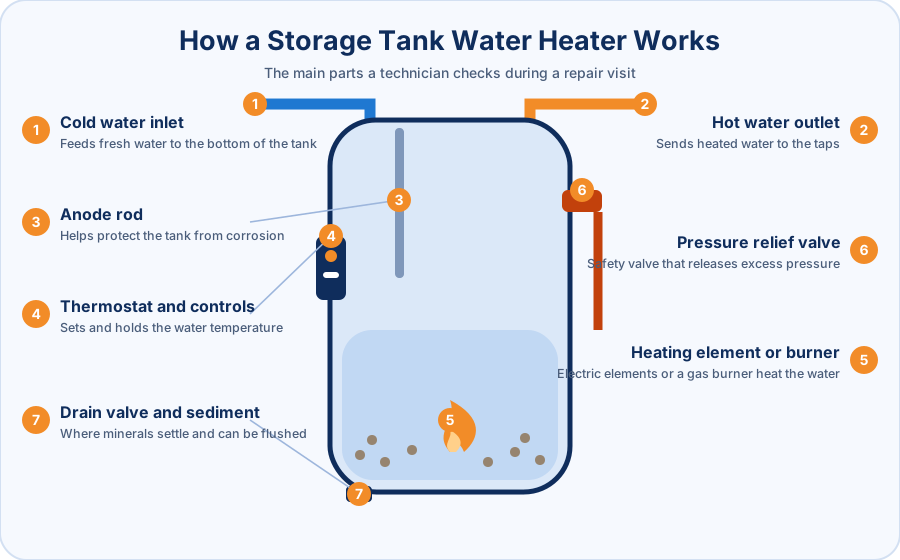
- Pressure relief valve and drain connections
- A start-up test before the work is finished
Replacement Installs and Brand New Installations
Installation also supports replacements. The current unit is assessed, honest recommendations are shared, and the investment is explained so the decision feels informed. Solutions that are sustainable and improve comfort and day-to-day function are worth considering.
Planning the Installation Around the Available Space
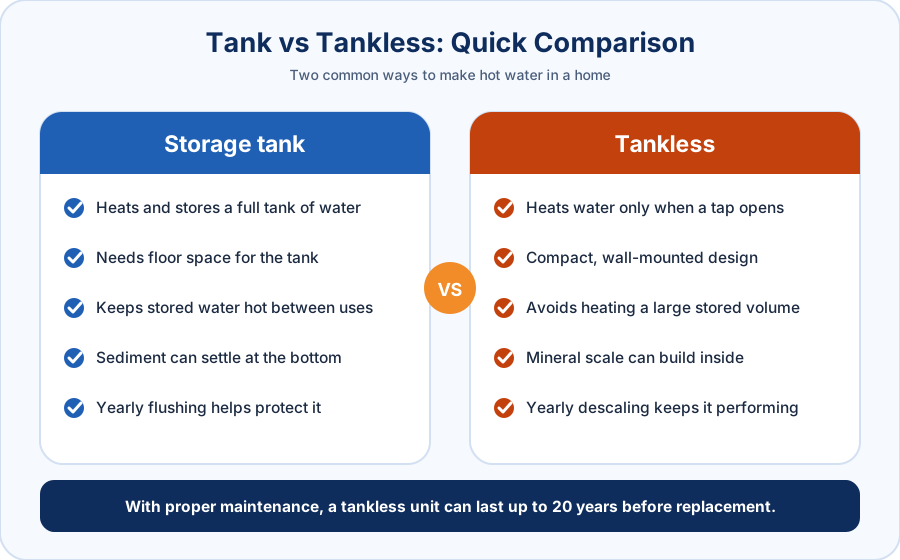
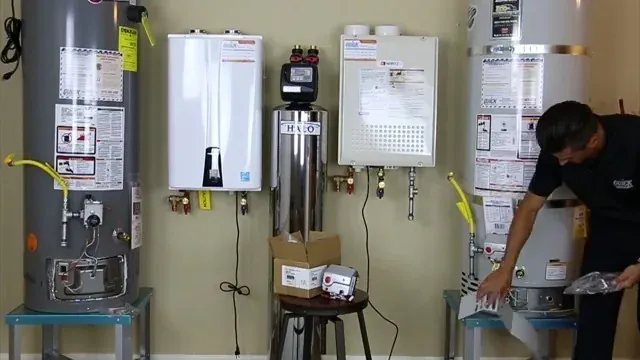
Floor space, clearances, ventilation, and access for future service all affect the layout. Tankless units mount on a wall and free up room, while tanks need a level base and a drain pan in many homes.
Installation Questions to Ask Before Work Starts
- Which type and size suit the household and the space?
- Are venting or gas line changes needed?
- Which permits or inspections apply in Littleton?
- How is the old unit removed and the new one tested?
- What upkeep schedule should follow the installation?
More Reading Connected to Installation in Littleton
Nearby topics include replacement, tankless repair, gas unit repair, and electric unit repair. Return to the Littleton hot water repair overview or browse all service topics to compare options.
Common Questions About Installation for Littleton Homes
How is the right unit size decided?
Household size, peak demand, and the number of fixtures set the capacity. Fuel type and venting options narrow the choice.
Do local codes apply to installation?
Yes. Installation should follow local codes, including venting, relief valve, and safety requirements.
Can a tank be swapped for a tankless unit?
Often yes, though venting, gas line size, and electrical capacity may need changes. A site check confirms what is required.
What happens after the unit is installed?
The unit is tested, settings are reviewed, and maintenance tips are shared so it keeps performing.