When a heater stops delivering consistent hot water in Littleton, prompt attention helps restore daily routines. Residents across the area rely on a working system for showers, laundry, dishwashing, and heating during Colorado's unpredictable weather.
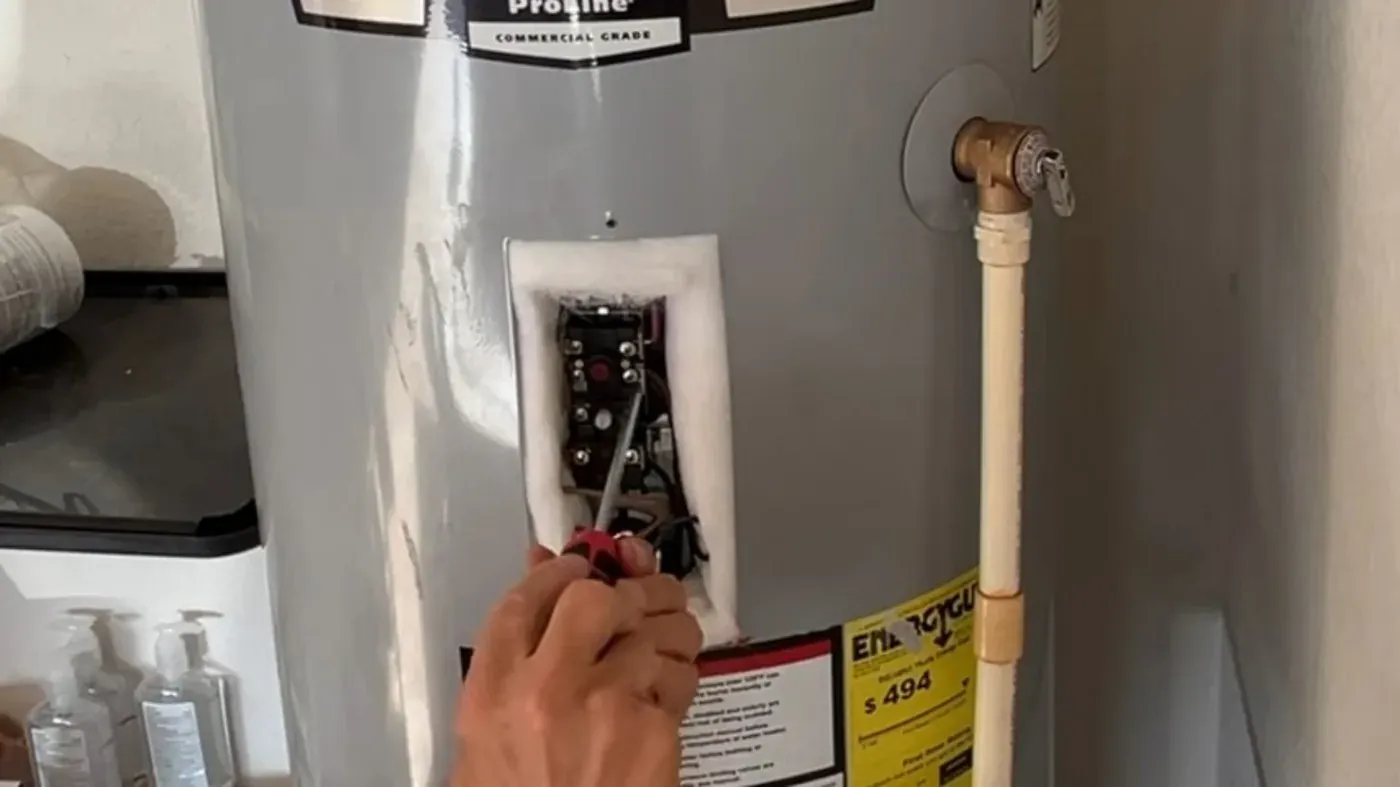
A complete loss of hot water often traces back to a tripped breaker, a failed heating element, a faulty thermostat, a pilot light that went out, or heavy sediment around the burner or elements.
Common Reasons Hot Water Disappears Without Warning
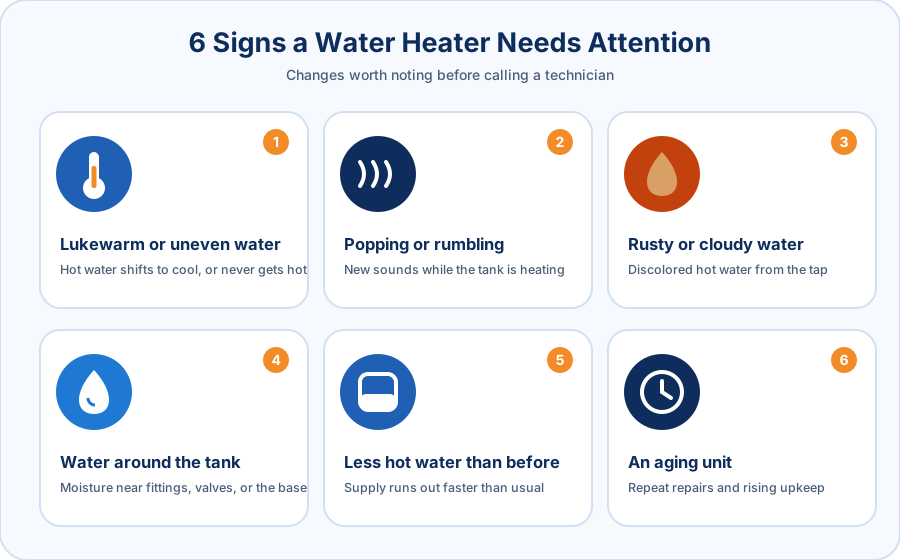
Inconsistent temperatures, odd noises from the tank, discolored water, or no hot water at all are the symptoms homeowners notice first. They can point to sediment buildup, faulty heating elements, thermostat problems, or corroded parts.
- Note when the hot water stopped and whether it happened suddenly or gradually.
- Write down any error code, indicator light, or display message.
- Check the label for the make, model, and fuel type.
- Keep a record of recent repairs, power outages, or plumbing work.
How Technicians Trace the Cause of Lost Hot Water
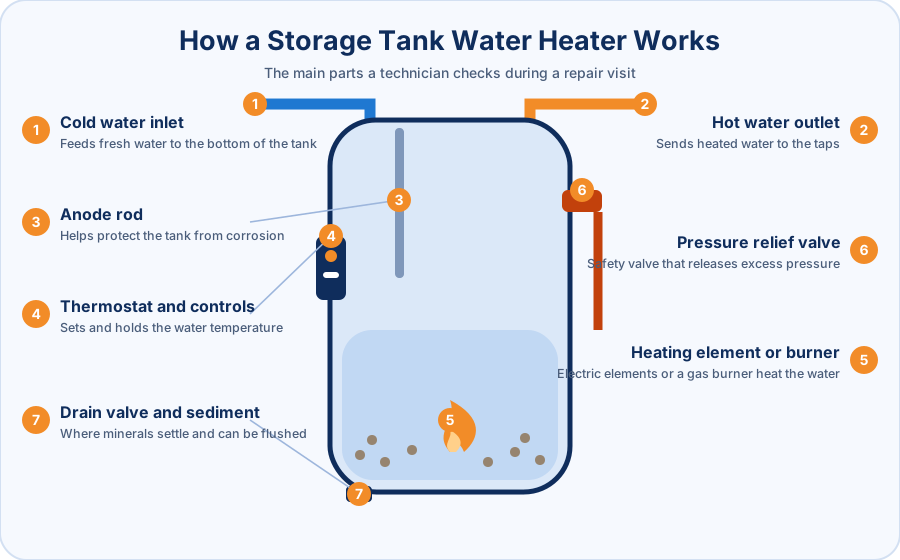
Diagnosis starts with the electrical or gas supply, then works through the heating elements or burner, thermostats, the pressure relief valve, and the anode rod. Diagnostic tools can reveal faults that a visual check alone would miss, so repairs target the real problem instead of guesswork.
Why a Quick Repair Beats Waiting for Things to Worsen
Delaying repairs raises energy use and utility bills, and it risks water damage from leaks or tank failure. Colorado's mineral-rich water speeds up sediment buildup and corrosion, which makes prompt attention especially useful in this region.
- Hot water restored throughout the home
- Lower risk of a tank rupture that floods the space
- Longer system life through targeted part replacement
- Lower energy costs once heating runs efficiently
- Prompt scheduling for urgent repair situations in Littleton and nearby areas
Safety Points to Remember Before Troubleshooting Alone
Do not open electrical panels or gas components without proper training. If gas is suspected, leave the area and call 911 or the gas utility. Stop using a unit that shows scorch marks, a burning smell, or standing water near electrical parts.
Questions Worth Asking Before the Repair Work Begins
- What was found to be the likely source of the problem?
- Is a repair or a replacement the better fit for this unit?
- Are the parts compatible with the exact model and fuel type?
- Will the work need a permit or follow-up inspection?
- What are the technician's qualifications, terms, and scheduling details?
Related Guides for No Hot Water in Littleton
Nearby topics include thermostat repair, sediment flushing, leak repair, and replacement. Return to the Littleton hot water repair overview or browse all service topics to compare options.
No Hot Water FAQs for Littleton Homeowners
What should be checked first when there is no hot water?
Look at simple external items only, such as a tripped breaker or a display error code. Avoid opening panels or gas parts. If the cause is not obvious, call a qualified technician.
Can a unit with no hot water be repaired?
Often yes. Heating elements, thermostats, igniters, and valves are common repairs. A unit that is old and failing repeatedly may be a better candidate for replacement.
How long does a no hot water repair take?
Time depends on the cause and parts availability. A technician can explain the expected steps after the first inspection.
Does a cold shower always mean the heater has failed?
No. A tripped breaker, a pilot light that went out, or a faulty thermostat can look like total failure and may be simple to correct.