The relief valve protects the tank by releasing water if pressure or temperature climbs too high. A valve that drips, discharges, or sticks needs attention.
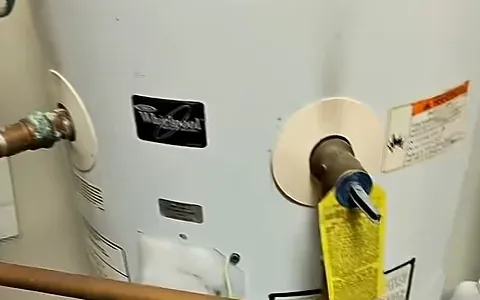
The cause may be worn parts, high household pressure, or thermal expansion, and a technician can tell which.
Why a Relief Valve May Drip or Discharge Water
- Excess pressure in the plumbing or tank
- A worn or mineral-clogged valve seat
- Thermal expansion in a closed system
- Overheating from a thermostat fault
How the Relief Valve Is Tested for Proper Operation
The valve and discharge pipe are inspected, household pressure is measured, and the valve is tested for proper operation. Worn valves are replaced with a matching part.
Safety Notes for Temperature and Pressure Valves
Never cap, plug, or restrict a relief valve or its discharge line. Hot water from the valve can scald, so keep clear while it is discharging.
Relief Valve Questions to Ask Before Any Repair
- Is the valve worn, or is pressure too high?
- Is thermal expansion a factor in the home?
- Is the discharge pipe installed correctly?
- Does the thermostat need testing?
Where to Go Next After Reading About Relief Valve Repair
Nearby topics include leak repair, thermostat repair, noise diagnosis, and replacement. Return to the Littleton hot water repair overview or browse all service topics to compare options.
Quick Answers on Relief Valve Repair for Littleton Homes
Is a dripping relief valve an urgent matter?
It should be checked soon. A valve that discharges heavily or while the unit is hot calls for prompt attention.
Can the valve simply be replaced?
Often yes, but the underlying cause such as pressure should also be checked.
Why should the valve never be capped?
It is a safety device that must be able to release pressure.
How often should the valve be tested?
Periodic testing is part of normal maintenance. A technician can show how.